2026-06-19
The most common mistake people make with garden furniture is putting it away dirty. A season's worth of pollen, bird droppings, and the fine mineral residue left behind by Swedish summer rain sits quietly on the surface through October and November, and by the time March comes around, what looked like a light film has worked its way into the grain of the teak or left a chalky bloom across the powder coat. The damage is not dramatic — it rarely is — but it is cumulative, and after two or three winters it shows in dull finishes, grey wood, and paint that starts to lift at the joints. Taking two afternoons in September or early October, before the temperature drops below five degrees Celsius, is genuinely enough to prevent most of it. This is how to do it properly, material by material.
Read more →2026-01-08
A bunch of dried pampas grass stands in a ceramic vase on a windowsill in Södermalm, and it has been there since October. By February it looks faded, slightly dusty, and one stem has started to shed. The owner is not sure whether it is still beautiful or simply familiar. That uncertainty is where most conversations about dried botanical arrangements actually begin — not with enthusiasm for the trend, but with a quiet, practical question about how long these things are supposed to last, and what to do when they start looking tired. Swedish homes present specific conditions: low winter light, radiator heat, humidity that swings between dry centrally heated air and the damp cold of a March morning when the balcony door is left open. Understanding those conditions honestly is more useful than any decorating rule of thumb.
Read more →2025-12-26
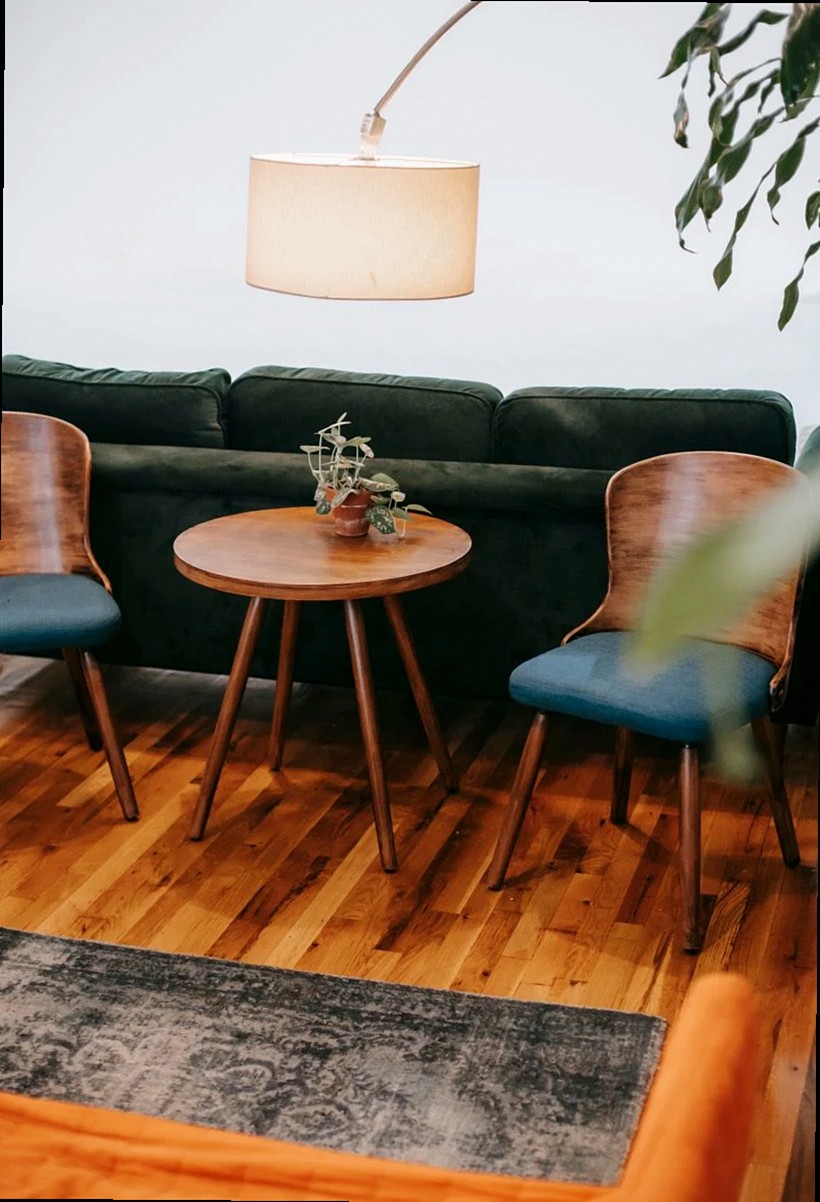
Does the darkness arrive before you are ready for it? In Stockholm, Gothenburg, and the smaller towns further north, the shift happens quickly — by late October, sunrise comes after seven-thirty and the afternoon light has already given up by three. Inside a typical Swedish apartment or villa, the windows that felt generous all summer suddenly seem inadequate. The question of how to light a home well is not a decorative afterthought in this part of the world; it is genuinely about comfort, mood, and the ability to function through four or five months of compressed daylight. Getting it right takes a little understanding of how light actually behaves, and how the eye reads warmth.
Read more →